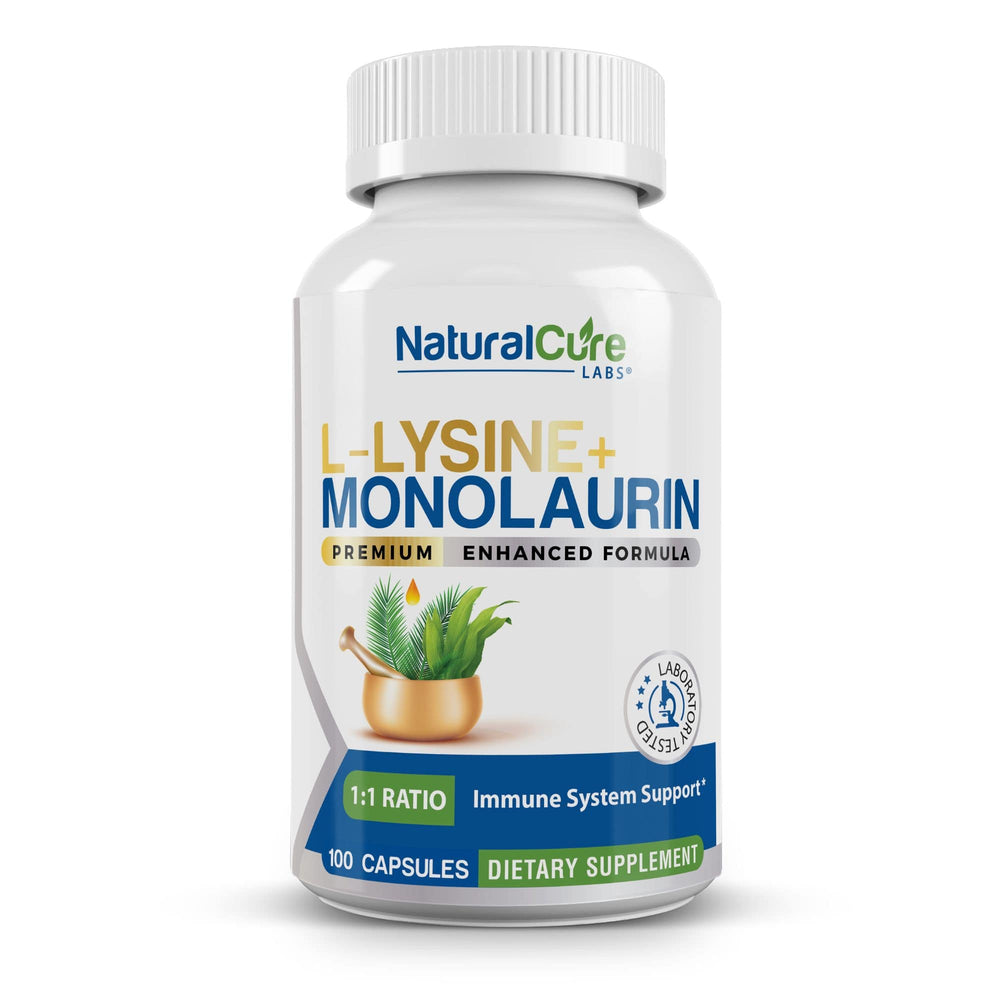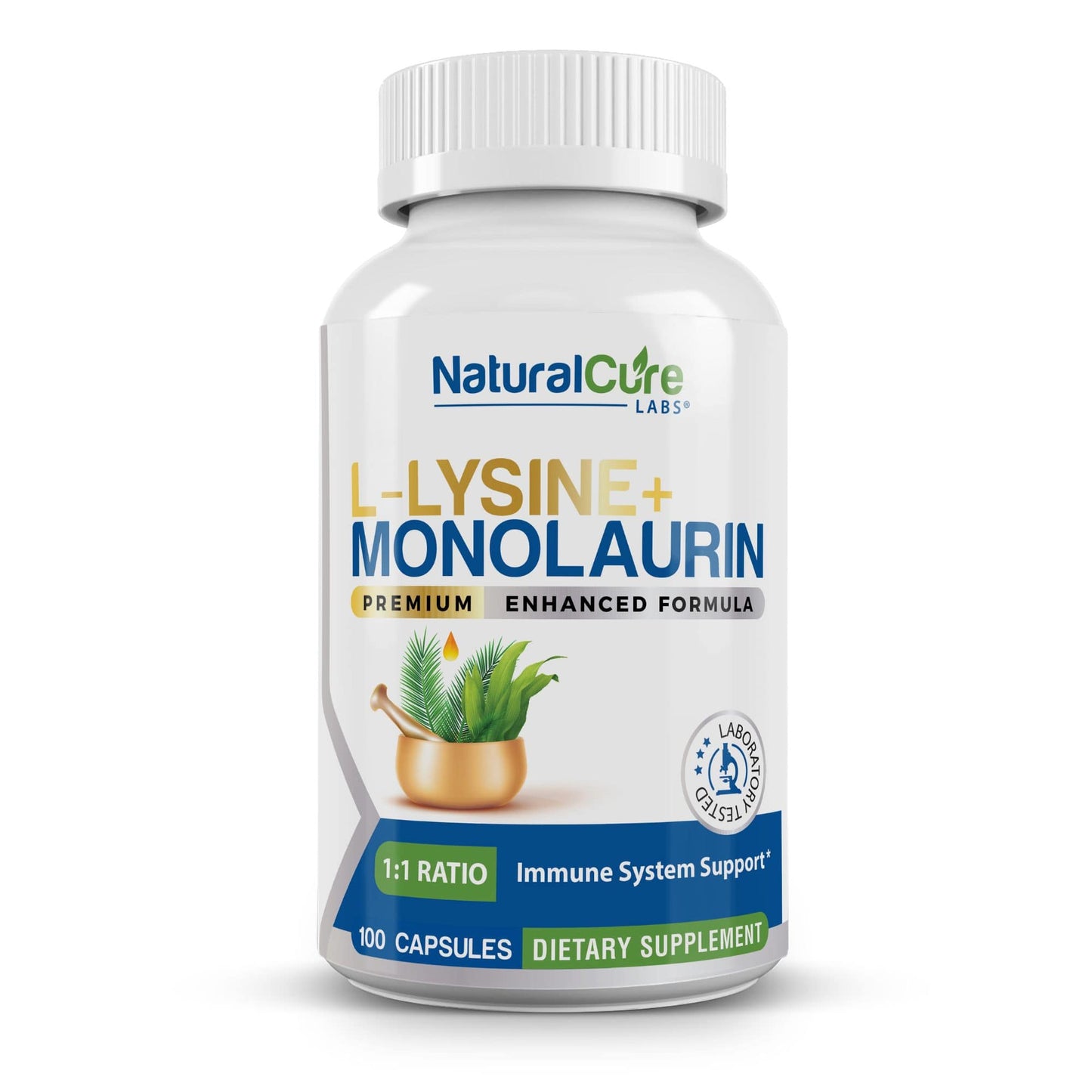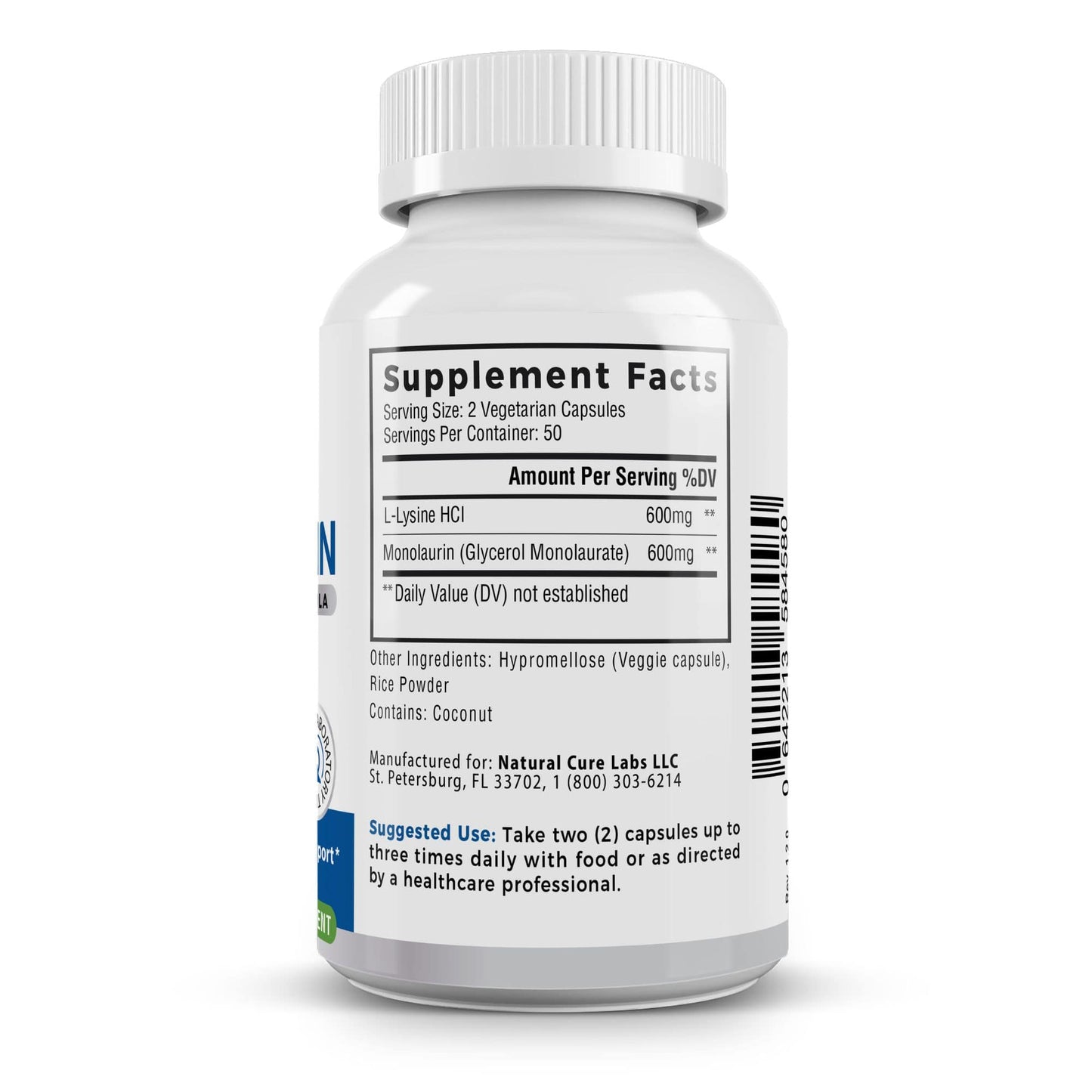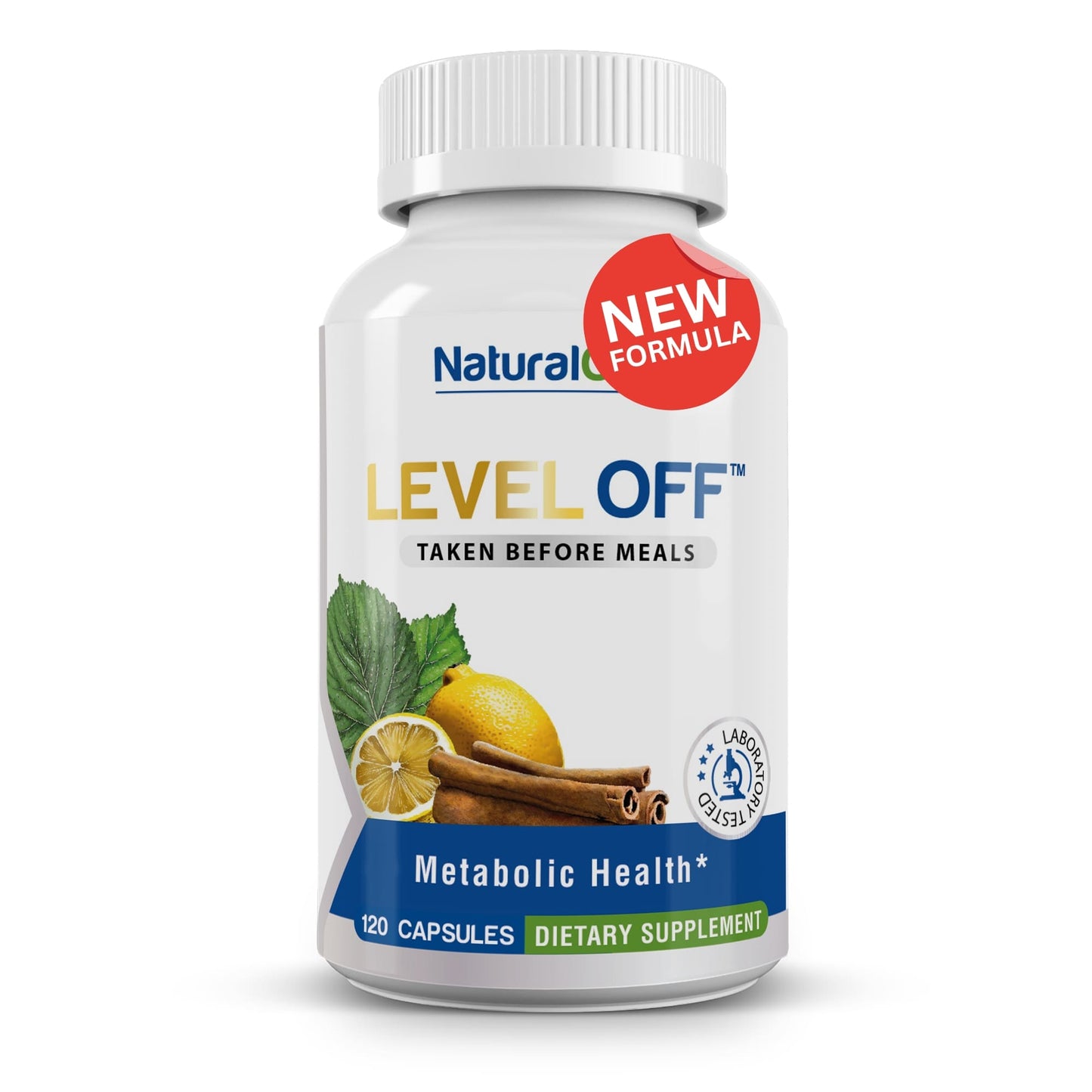


📝 Medically reviewed by Dr. Patricia Shelton
🔍 Last updated February 5, 2026
📚 9 citations
📖 4 minute read

Dr. Patricia Shelton, MD, has been a medical communicator and educator since 2014. She holds a Doctor of Medicine degree and a Bachelor's degree in Neuroscience, both from the University of Washington in Seattle.
Article Summary
- Supplements aren’t FDA pre-approved, so purity testing is essential to ensure safety, potency, and label accuracy
- ISO/IEC 17025–accredited lab testing and COAs verify credible, independent quality results
- Lot numbers, safety seals, and third-party certifications support traceability, tamper protection, and compliance
- Choosing transparently tested supplements reduces risk and builds consumer trust
Jump to:
- What is Purity Testing in Supplements?
- Why Is Lab Testing Important for Dietary Supplements?
- What Is ISO 17025?
- Why Is ISO 17025 Lab Testing Important?
- What Is a Lot Number?
- What Are Safety Seals?
- What Are Third-Party Certifications?
- Conclusion
- References
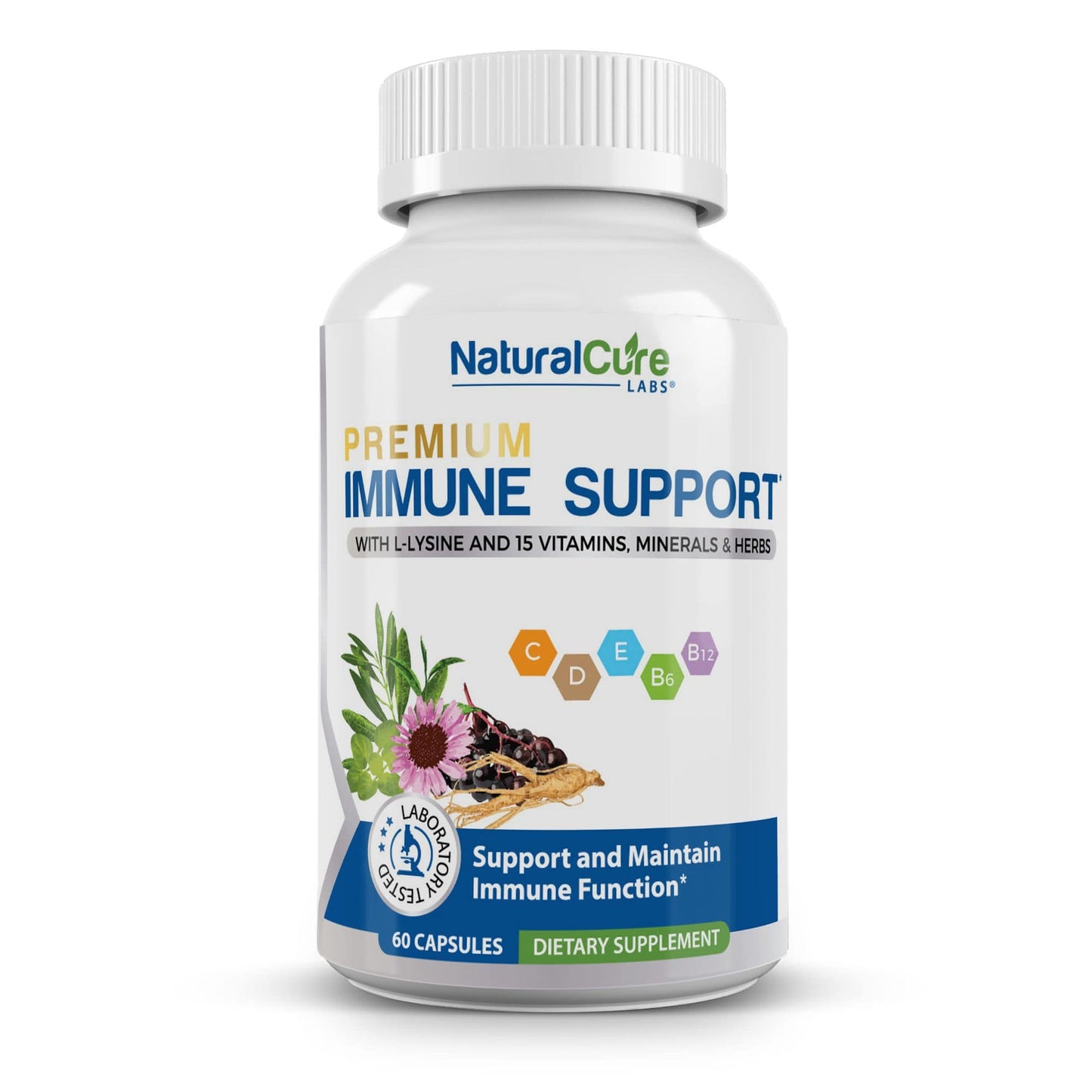
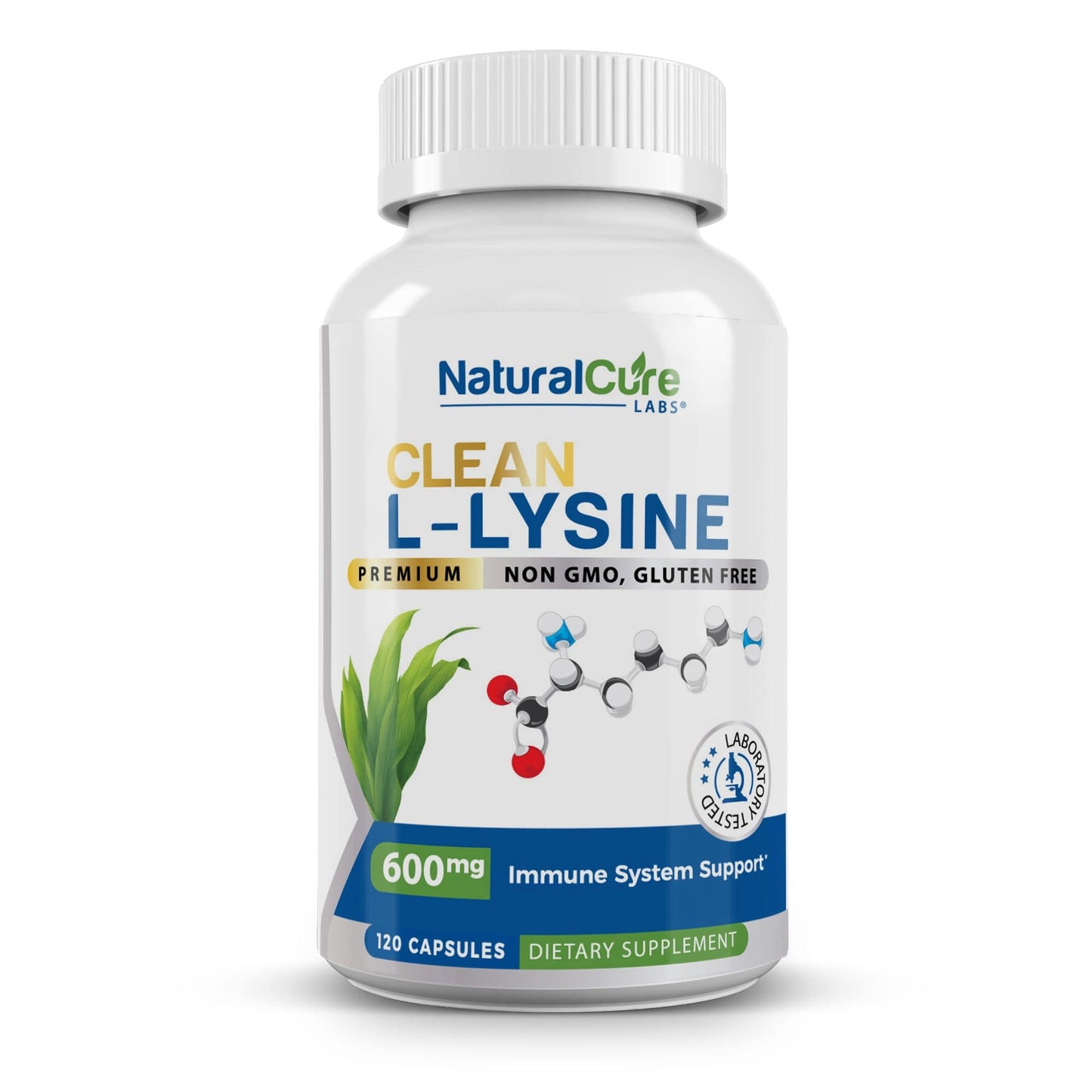
Vitamins or herbal supplements should support your health – not put it at risk. With three-quarters of Americans now taking dietary supplements, ensuring that those products are pure and safe has never been more important.1 Unlike prescription drugs, supplements don’t require FDA approval before they hit the market, so the responsibility for quality falls largely on manufacturers. This is especially crucial in today’s online shopping era: studies show that 75% of all American adults used supplements in 2024, and e-commerce has transformed how people purchase vitamins.2 When you buy a bottle of immune support capsules or daily vitamins online, you’re trusting that what’s inside is exactly what it claims.
What is Purity Testing in Supplements?
Purity testing is the process of verifying a supplement’s quality, potency, and safety through rigorous laboratory analysis. In this article, we’ll explain why purity testing matters and what consumers should look for, from ISO 17025 accredited lab results to heavy metal and microbial reports, lot numbers, safety seals and certifications. We’ll cover the key indicators of a high-quality, compliance-friendly supplement. By understanding these factors, you can make informed choices and protect your health when shopping for supplements.
Why Is Lab Testing Important for Dietary Supplements?
Dietary supplements are regulated as a category of food, rather than as medications. This means that they must meet certain safety standards, but aren’t pre-approved by the FDA before sale.3 This regulatory gap makes quality control testing essential. Without proper testing, there’s a risk that a supplement may be contaminated or not contain what it promises. Recent high-profile cases highlight these risks:
- Heavy metal contamination: Metals like lead, arsenic, cadmium, and mercury can sometimes be found in supplements. A 2025 Consumer Reports investigation found that heavy metal contamination was widespread in protein supplements. Over two-thirds of tested powders had lead levels exceeding safe daily limits, with some containing more than 10 times the amount of lead deemed safe.3
- Microbial contamination: Supplements, especially those made from natural botanicals or probiotics, can be vulnerable to bacterial or fungal contamination if not processed carefully.
- Undeclared ingredients: Purity testing isn’t just about catching accidental contaminants – it’s also about verifying that what’s on the label is what’s in the bottle, and nothing more. Some supplements may be adulterated with pharmaceuticals or other undisclosed ingredients, or may be contaminated with pesticides. A trustworthy brand takes this seriously and uses independent labs to confirm that each batch of product meets label claims and doesn’t contain unsafe additives.4
In short, purity testing matters because it protects consumers from contaminants that could cause harm and ensures you’re actually getting the potentially beneficial substances you’re paying for. With 92% of supplement users considering supplements essential to their health, maintaining quality is also key to maintaining consumer trust.1
What Is ISO 17025 Lab Tested?
One phrase you might come across when evaluating supplement quality is “ISO 17025” – usually in the context of lab testing or Certificates of Analysis (COAs). ISO/IEC 17025 is an internationally recognized standard for testing laboratories. When a lab is ISO 17025 accredited, it means that the lab has demonstrated that it operates competently and can produce valid, accurate test results. In practical terms, an ISO 17025 accreditation offers assurance that a lab meets strict requirements for technical competence, impartiality, and consistent processes, leading to reliable results.5
Why Is ISO 17025 Lab Testing Important for Your Vitamins and Supplements?
Because it speaks to the credibility of the test data. If a supplement company claims that their product is “third-party tested,” that testing should be done by an independent lab with ISO 17025 accreditation. This gives confidence that the measurements (for example, the amount of vitamin D in a capsule, or the levels of heavy metals present in a supplement) are accurate and trustworthy.
Major retailers and regulators have started to insist on this level of testing quality. For instance, Amazon’s dietary supplement policy now requires sellers to validate their products via third-party lab tests. Sellers must provide a Certificate of Analysis (COA) from an ISO 17025-accredited lab showing that the product contains the labeled ingredients and is free of contaminants.4 6 In other words, even the world’s largest online marketplace recognizes that ISO 17025 lab testing is critical for supplement safety and compliance.
For consumers, seeing mention of “independent lab-tested” or the availability of a COA can be a good sign. Some supplement brands will publish their complete lab reports, or will at least confirm that testing was done by an accredited lab.
If you’re shopping for supplements online, make sure to check the product description or the company’s website for references to ISO 17025 labs or quality testing programs.
What is the Lot Number on a Supplement Bottle?
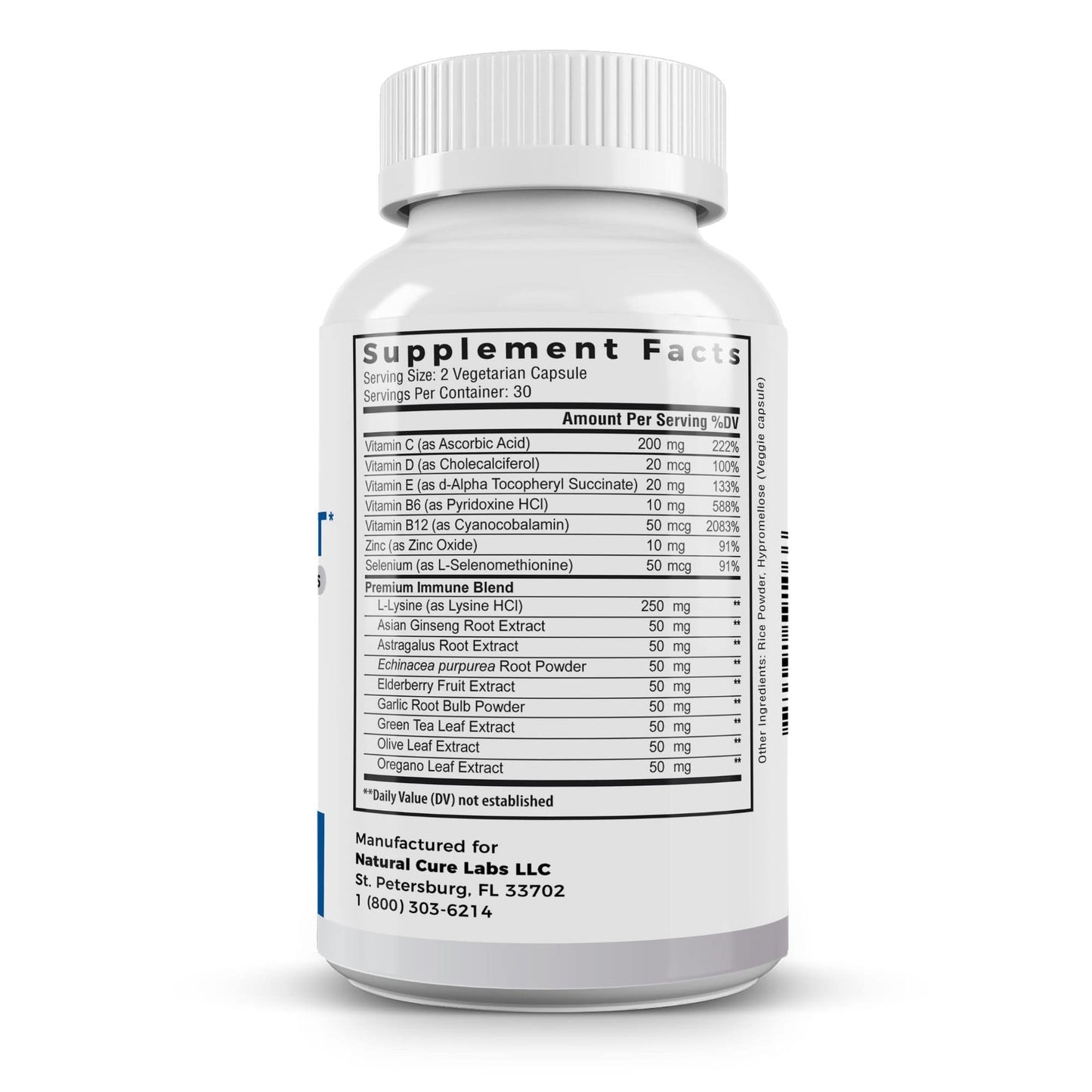
A lot number (or batch number) is a code that identifies the specific production batch of that product. It’s usually a string of numbers and/or letters (for instance, “Lot # A25G051”. This code allows the manufacturer (and regulators) to trace the product back to when and where it was made, and to the testing records for that batch.7 Lot numbers become critically important if there’s ever a quality issue or recall. From a consumer perspective, a lot number is reassuring because it means the company has traceability in their operations. It implies that they produce in defined batches and keep records for each batch’s ingredients and test results (as required by GMP regulations). If you encounter a supplement without any lot or batch code, the product might be coming from a manufacturer that isn’t following standard quality control procedures.
Why are Safety Seals on Bottles?
Safety seals are usually a plastic shrink wrap around the cap and/or an inner seal (film or foil) under the cap that may include language such as “Sealed for your protection.” This seal is your assurance that the product hasn’t been opened or contaminated since leaving the manufacturing facility.8 A broken seal could mean that the product was compromised or not handled properly in transit. Compliance-friendly brands will also usually put a note on the label like “Do not use if seal is broken or missing.”
What does Third-Party Certified Mean?
Third-party certification seals are logos or emblems on the label indicating that an independent organization has verified the product’s quality.9 They often involve additional costs and testing for the company. If a company has made this investment, it signals a strong commitment to quality and compliance.
Conclusion
In an era where online shopping is the norm and supplements from around the world are a click away, being vigilant about quality is essential. The good news is that many reputable supplement companies are fully transparent about their purity testing and go above and beyond the baseline requirements to ensure their products’ safety. By favoring these brands and scrutinizing the products you buy, you not only safeguard your own health, but you also encourage higher standards across the industry.
Taking the time to choose supplements that have passed stringent purity tests is an investment in your well-being. So the next time you’re browsing for that immune support capsule or daily multivitamin, keep these tips in mind. Look for the hallmarks of quality that we’ve outlined, and don’t hesitate to ask questions or seek out the proof of purity. When you find a supplement that meets these high standards, you can confidently incorporate it into your wellness routine, knowing that it’s been crafted with care, tested for safety, and delivered with integrity.
By being an informed consumer and looking for the right quality cues, you can enjoy the benefits of dietary supplements with greater peace of mind – which is a key ingredient in anyone’s health journey.
References:
- Ipsos. (2023, October 13). Nine in ten dietary or nutritional supplement users agree dietary supplements are essential. https://www.ipsos.com/en-us/nine-ten-dietary-or-nutritional-supplement-users-agree-dietary-supplements-are-essential
- IBISWorld. (2024). Online vitamin & supplement sales in the United States. https://www.ibisworld.com/united-states/industry/online-vitamin-supplement-sales/5091/
- Consumer Reports. (2022). Protein powders and shakes may contain heavy metals. https://www.consumerreports.org/lead/protein-powders-and-shakes-contain-high-levels-of-lead-a4206364640/
- Certified Laboratories. (2023). Amazon dietary supplement requirements for laboratory testing. https://certified-laboratories.com/blog/amazon-dietary-supplement-requirements-for-laboratory-testing/
- NSF. (n.d.). NSF laboratories: Amazon dietary supplement policy Q&A. https://www.nsf.org/knowledge-library/nsf-labs-amazon-dietary-supplement-policy-q-and-a
- Anresco Laboratories. (n.d.). Dietary supplement testing services. https://anresco.com/services/dietary-supplements/
- U.S. Food and Drug Administration. (n.d.). FSMA traceability and lot code requirements. https://www.fda.gov/food/food-safety-modernization-act-fsma/traceability-lot-code
- Consumer Med Safety. (n.d.). Protect yourself against product tampering. https://www.consumermedsafety.org/over-the-counter-medicines/the-basics/protect-yourself-against-tampering
- Cohen, P. A. (2003). Regulation and consumer protection in dietary supplements. Enterprise & Society, 2(3), 71–98. https://www.jstor.org/stable/10.2979/esj.2003.2.3.71