

📝 Medically reviewed by Dr. Evan Leonard
🔍 Last updated June 4, 2026
📚 9 citations
📖 12 minute read

Dr. Evan Leonard is a board-certified physician associate and medical scientist with experience in internal, emergency, and critical care medicine at University of Florida Health. He serves as an assistant professor of anatomy at Barry University and a visiting professor at Chamberlain University, has authored peer-reviewed research, and has been recognized with honors including Best PA in Medicine and America's Best in Medicine for his contributions to healthcare and medical education.
Article Summary
- Monolaurin is a naturally occurring monoglyceride derived from lauric acid that has been studied for its potential immune-supporting properties
- When comparing monolaurin supplements, key factors include dosage, form (capsule vs. pellet), ingredient purity, certifications, and third-party testing
- The most popular monolaurin brands on the market include NCL (Natural Cure Labs), Ecological Formulas, Lauricidin, and Inspired Nutrition - each with distinct formulations and price points
- Choosing a supplement manufactured in a GMP-certified facility with transparent labeling and third-party testing helps ensure quality and consistency
Jump to:
- What Is Monolaurin and Why Has It Gained Popularity?
- What Should You Look for in a Monolaurin Supplement?
- What Is the Difference Between Monolaurin Capsules and Pellets?
- How Do the Top Monolaurin Supplements Compare?
- Why Do GMP Certification and Third-Party Testing Matter?
- How Can You Choose the Right Monolaurin Supplement?
- Final Thoughts
- References
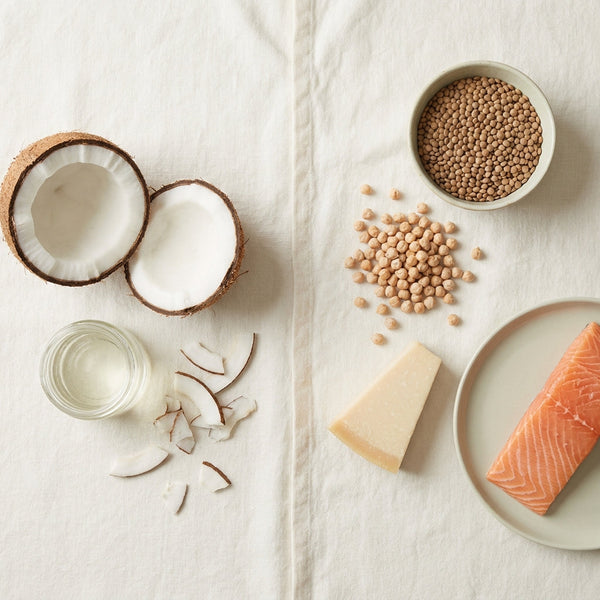
Monolaurin has gained significant attention in the wellness community as a naturally occurring compound with potential immune-supporting properties. Derived from lauric acid - a medium-chain fatty acid and the precursor to monolaurin, found abundantly in coconut oil and breast milk - monolaurin has been the subject of growing research interest over the past several decades.1
With multiple brands now offering monolaurin supplements in various forms, dosages, and price points, choosing the right product can be challenging. Not all monolaurin supplements are created equal, and factors like ingredient purity, manufacturing standards, and third-party testing can vary significantly between brands.
Keep reading to learn what to look for in a monolaurin supplement, how the top brands compare, and what quality indicators matter most when making your choice.
See Related: Monolaurin: What It Is and Where Does It Come From?
What Is Monolaurin and Why Is It Popular?
Monolaurin (glycerol monolaurate) is a monoglyceride - a type of fat molecule consisting of glycerol bonded to a single lauric acid chain. It is found naturally in coconut oil and human breast milk and has been studied for its potential to support the body's natural defenses.1 3
Research has explored monolaurin's potential interactions with various microorganisms. In vitro studies have investigated its activity against certain types of microorganisms, and a review published in 2019 summarized the available literature on monolaurin's clinical applications as a dietary supplement.1 2 4 5
Monolaurin holds Generally Recognized as Safe (GRAS) status from the FDA, which means it is considered safe for consumption as a food additive. However, as the 2019 review noted, formal human clinical trials specifically evaluating monolaurin supplementation remain limited, and more research is needed to fully understand its potential benefits.1
What Makes a Good Monolaurin Supplement?
When evaluating monolaurin supplements, several factors can help distinguish a high-quality product from a less reliable one.
Ingredient Purity
The best monolaurin supplements use minimal additional ingredients beyond the active compound. Some products contain fillers like magnesium stearate, silica, or other flow agents that are not necessary for the supplement's function. A clean label formulation - one that avoids unnecessary additives - is generally preferred.
Manufacturing Standards
Supplements manufactured in GMP-certified facilities follow established quality control protocols that help ensure consistency, purity, and accurate labeling. GMP (Good Manufacturing Practices) certification indicates that a manufacturer has met the standards set by the FDA for dietary supplement production.7
Third-Party Testing
Independent third-party testing, especially from an ISO 17025 accredited lab, provides an additional layer of quality assurance. A consensus statement on third-party certification programs emphasized that these programs help verify that supplements contain what their labels claim and are free from harmful contaminants.8
Capsule Type
For consumers following plant-based diets, the type of capsule matters. Vegetable cellulose (often vegan Hypromellose HPMC) capsules are preferred over gelatin capsules, which are derived from animal sources. This is an often-overlooked detail that varies between brands.
What Is the Difference Between Monolaurin Capsules and Pellets?
Monolaurin supplements are available in two primary forms: capsules and pellets (also called mini-pellets or granules). Each format has distinct characteristics that may appeal to different consumers.
Capsules
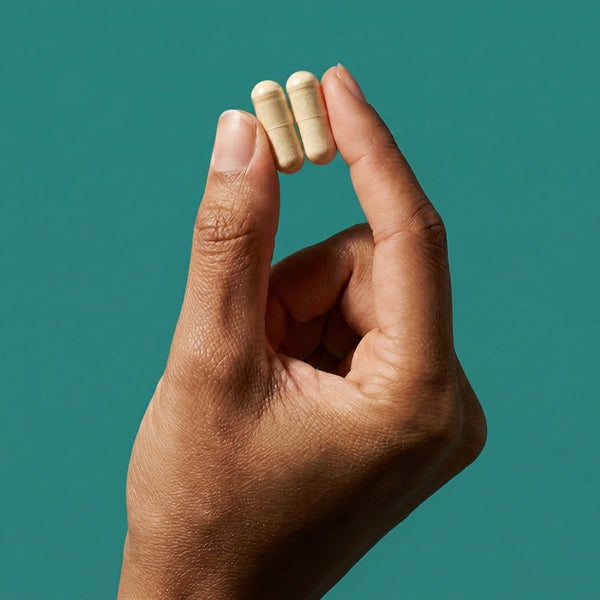
Capsules typically contain a pre-measured amount of monolaurin (commonly 600mg or 800mg per capsule) enclosed in a shell. They are convenient, portable, and easy to incorporate into a daily supplement routine. Capsules also allow for precise dosing without the need for measuring tools.
Pellets
Pellets are small, solid beads of monolaurin that are typically dosed with a scoop - often around 3,000mg (3g) per serving. This format allows for more aggressive dosing but requires a measuring scoop and may be less convenient for travel. Pellets are sometimes preferred by individuals who have difficulty swallowing capsules.
The choice between capsules and pellets often comes down to personal preference, lifestyle, and dosing needs. Both forms can deliver monolaurin effectively.
Bonus: Monolaurin Pellets vs. Capsules: Which One is Better?
How Do the Top Monolaurin Supplements Compare?
The monolaurin supplement market includes several well-known brands, each with its own formulation approach. Here is how the top options compare based on publicly available product information.
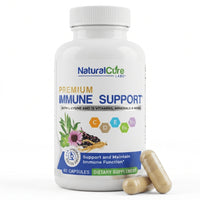
NCL (Natural Cure Labs) - Premium Monolaurin 600mg
- 600mg per capsule (100 capsules per bottle)
- Vegan vegetable cellulose capsule
- Other ingredients: rice powder only - considered "clean label"
- GMP-certified, vegan, non-GMO, gluten-free, manufactured in USA with global materials
NCL (Natural Cure Labs) - Extra Strength Monolaurin 800mg
- 800mg per capsule (100 capsules per bottle)
- Same clean formulation as the 600mg version, just a higher dose
Ecological Formulas (Cardiovascular Research) - Monolaurin 600mg
- 600mg per capsule (90 capsules per bottle)
- Gelatin capsule (not vegan)
- Contains inosine, and magnesium stearate
- Manufactured in USA
Lauricidin (Med-Chem Labs) - Original Monolaurin
- Pellet form - 3,000mg per scoop (approximately 75 servings per 8oz jar)
- Claims no fillers - 95%+ pure sn-1 monolaurin
- Non-GMO, gluten-free
Inspired Nutrition - UltraLaurin
- Pellet form - 3,000mg per scoop (approximately 66 servings per 7oz container)
- Contains glycerol as an additional ingredient
- Includes monocaprin, monomyristin, and monolaurin
- Vegan, non-GMO, GMP-certified, third-party tested
When comparing directly, capsule-based products like NCL (Natural Cure Labs) and Ecological Formulas offer a convenient, pre-measured dose. However, the ingredient profiles differ - NCL (Natural Cure Labs) uses a vegan capsule with only rice powder as an inactive ingredient, while Ecological Formulas uses a gelatin capsule with magnesium stearate, inosine, and microcrystalline cellulose.
Pellet-based products like Lauricidin and Inspired Nutrition offer high per-serving doses and flexible dosing but require a scoop for measurement and may be less portable or digestible based on some user reviews.
Why Do GMP Certification and Third-Party Testing Matter?
The quality of a dietary supplement depends heavily on how it is manufactured and tested. A study analyzing supplement products found that label accuracy can vary significantly between brands, with some products containing less of the active ingredient than claimed or including undisclosed additives.6 9
GMP certification ensures that a manufacturer follows standardized protocols for ingredient sourcing, production processes, quality testing, and labeling accuracy. This is particularly important for monolaurin supplements, where purity and potency directly affect the consumer's experience.7
Third-party testing adds an independent verification layer. Rather than relying solely on a manufacturer's internal quality checks, third-party programs provide objective confirmation that a product meets its label claims and is free from contaminants like heavy metals, microbial agents, and undeclared substances.8
When evaluating monolaurin supplements, look for brands that explicitly state their GMP certification status and make their testing practices transparent. A brand that publishes or makes available its Certificates of Analysis (COAs) is providing a higher level of transparency than one that does not.
How to Choose the Right Monolaurin Supplement?
Selecting the best monolaurin supplement depends on individual preferences, dietary requirements, and wellness goals. Here are some practical considerations to guide your decision.
If you prefer capsules: Look for a product that offers a clean label formulation with minimal fillers, uses vegan capsules (if that aligns with your dietary choices), and is manufactured in a GMP-certified facility. Both the Premium Monolaurin 600mg and the Extra Strength Monolaurin 800mg from NCL (Natural Cure Labs) meet these criteria. ‡
If you prefer pellets: Pellet-based monolaurin offers high per-serving dosing and may appeal to those who prefer a scoopable format. Lauricidin and Inspired Nutrition UltraLaurin are the most established options in this category.
If ingredient purity is your top priority: Compare the "Other Ingredients" section of each product's label. Products with fewer inactive ingredients - and without common flow agents like magnesium stearate and silica - may be preferred by consumers who prioritize "clean label" formulations.
If certifications matter to you: Check for GMP certification, third-party testing, vegan certification, non-GMO verification, and gluten-free status. Not all brands carry the same certifications, so it is worth checking the product label or the manufacturer's website.
Final Thoughts
The best monolaurin supplement is the one that aligns with your individual needs - whether that means a convenient capsule format, a high-dose pellet, or a formulation with the fewest possible inactive ingredients.
What matters most, regardless of format or brand, is choosing a product that is manufactured in a GMP-certified facility, backed by third-party testing, and transparent about its ingredients and sourcing. These quality indicators help ensure that what is on the label is what is in the bottle.
Monolaurin research continues to grow, and as the body of evidence expands, so too will the options available to consumers. In the meantime, informed comparison remains the best tool for making a confident supplement choice.
‡ These statements have not been evaluated by the Food and Drug Administration. This product is not intended to diagnose, treat, cure, or prevent any disease.
Keep Reading: Why Lab Testing Matters for Dietary Supplements
References
- Barker, L. A., Bakkum, B. W., & Chapman, C. (2019). The clinical use of monolaurin as a dietary supplement: A review of the literature. Journal of Chiropractic Medicine, 18(4), 305-310. https://doi.org/10.1016/j.jcm.2019.02.004
- Carpo, B. G., Verallo-Rowell, V. M., & Kabara, J. (2007). Novel antibacterial activity of monolaurin compared with conventional antibiotics against organisms from skin infections: An in vitro study. Journal of Drugs in Dermatology, 6(10), 991-998. https://pubmed.ncbi.nlm.nih.gov/17966176/
- Nitbani, F. O., Tjitda, P. J. P., Nitti, F., Jumina, J., & Detha, A. I. R. (2022). Antimicrobial properties of lauric acid and monolaurin in virgin coconut oil: A review. ChemBioEng Reviews, 9(5), 442-461. https://doi.org/10.1002/cben.202100050
- Abd El-Ghany, S. S., Azmy, A. F., El-Gendy, A. O., Abd El-Baky, R. M., Mustafa, A., Abourehab, M. A. S., El-Beeh, M. E., & Ibrahem, R. A. (2024). Antimicrobial and antibiofilm activity of monolaurin against methicillin-resistant Staphylococcus aureus isolated from wound infections. International Journal of Microbiology, 2024, 7518368. https://doi.org/10.1155/2024/7518368
- Tangwatcharin, P., & Khopaibool, P. (2012). Activity of virgin coconut oil, lauric acid or monolaurin in combination with lactic acid against Staphylococcus aureus. Southeast Asian Journal of Tropical Medicine and Public Health, 43(4), 969-985. https://pubmed.ncbi.nlm.nih.gov/23077821/
- Crawford, C., Avula, B., Lindsey, A. T., Walter, A., Katragunta, K., Khan, I. A., & Deuster, P. A. (2022). Analysis of select dietary supplement products marketed to support or boost the immune system. JAMA Network Open, 5(8), e2226040. https://doi.org/10.1001/jamanetworkopen.2022.26040
- Levin, M. D. (2016). The new food current good manufacturing practices and their effect on dietary supplement quality: What you need to know. Integrative Medicine: A Clinician's Journal, 15(5), 22-24. https://pmc.ncbi.nlm.nih.gov/articles/PMC5145009/
- Eichner, A. K., Coyles, J., Fedoruk, M., Maxey, T. D., Lenaghan, R. A., Novitzky, J., Lindsey, A. T., & Deuster, P. A. (2019). Essential features of third-party certification programs for dietary supplements: A consensus statement. Current Sports Medicine Reports, 18(5), 178-182. https://doi.org/10.1249/JSR.0000000000000595
- Veatch-Blohm, M. E., Chicas, I., Margolis, K., Vanderminden, R., Gochie, M., & Lila, K. (2021). Screening for consistency and contamination within and between bottles of 29 herbal supplements. PLoS One, 16(11), e0260463. https://doi.org/10.1371/journal.pone.0260463