

📝 Medically reviewed by Dr. Evan Leonard
🔍 Last updated June 17, 2026
📚 5 citations
📖 6 minute read

Dr. Evan Leonard is a board-certified physician associate and medical scientist with experience in internal, emergency, and critical care medicine at University of Florida Health. He serves as an assistant professor of anatomy at Barry University and a visiting professor at Chamberlain University, has authored peer-reviewed research, and has been recognized with honors including Best PA in Medicine and America's Best in Medicine for his contributions to healthcare and medical education.
Article Summary
- Shared absorption pathways: L-lysine and L-arginine are both basic amino acids that compete for the same cellular transporters, meaning the balance between them may influence how effectively each one is absorbed.
- The ratio matters for immune health: Some researchers have studied whether maintaining a favorable lysine-to-arginine balance may help support the body's natural immune defenses.
- Dietary choices make a difference: Foods like dairy, poultry, and fish tend to have a higher proportion of lysine, while nuts, seeds, and chocolate contain more arginine.
- Supplements offer consistency: L-lysine supplements provide a standardized daily amount when dietary sources alone may not be sufficient.
- Dosage research varies: Studies have examined L-lysine dosages ranging from 500 mg to 3,000 mg per day, with individual needs varying based on dietary intake and health goals.
Jump to:
- What Is the Lysine-to-Arginine Ratio?
- How Does L-Lysine Interact With Arginine in the Body?
- Which Foods Are Highest in L-Lysine?
- Can Supplements Help Maintain a Healthy Amino Acid Balance?
- What Dosage of L-Lysine Have Researchers Studied?
L-lysine is an essential amino acid, meaning the human body cannot produce it on its own. It must come from food or supplementation. ¹ Among its many roles, L-lysine participates in calcium absorption, collagen formation, and the production of enzymes and hormones that support everyday health.
One area of growing interest is the relationship between L-lysine and another amino acid, L-arginine. Because these two amino acids share similar absorption pathways, the balance between them - often called the "lysine-to-arginine ratio" - has become a focus for researchers studying immune health.
Keep reading to learn what the lysine-to-arginine ratio means, which foods are richest in L-lysine, and how supplementation may help maintain a healthy amino acid balance.
What Is the Lysine-to-Arginine Ratio?
The lysine-to-arginine ratio refers to the relative amounts of these two amino acids present in a food, supplement, or overall diet. Both L-lysine and L-arginine are positively charged amino acids classified as "basic" amino acids, and they share several biological characteristics - including the transporter systems they use to enter cells. ¹
L-lysine is considered essential because the body has no pathway to synthesize it. L-arginine, on the other hand, is classified as "conditionally essential," meaning the body can produce some on its own but may need additional amounts from dietary sources during periods of growth, stress, or recovery.
Because of their shared transport mechanisms, increasing your intake of one may influence how much of the other gets absorbed. This competitive relationship is what makes the ratio between them relevant, particularly in the context of immune health and overall amino acid balance.
See Related: 10 Best Foods to Maximize Your Lysine Intake
How Does L-Lysine Interact With Arginine in the Body?
L-lysine and L-arginine compete for absorption through a shared family of cationic amino acid transporters (CATs). These transporters are found in the intestinal lining, kidneys, and other tissues throughout the body. When both amino acids are present simultaneously, they effectively compete for the same "entry points" into cells. ¹
This means that a higher intake of L-lysine may reduce the amount of L-arginine that gets absorbed, and vice versa. Researchers have studied this competitive dynamic because L-arginine is involved in several biological processes, and maintaining a favorable amino acid balance may support the body's natural defenses. ²
Some research suggests that L-lysine supplementation may help support a healthy immune response, in part by influencing this amino acid balance. ³ While the exact mechanisms continue to be studied, the general principle is straightforward - the relative proportion of lysine to arginine in your diet may matter more than the absolute amount of either one alone.
It is worth noting that both amino acids play important roles in overall health. The goal is not to eliminate arginine from the diet, but rather to ensure that lysine intake is sufficient to maintain a healthy balance.
Which Foods Are Highest in L-Lysine?
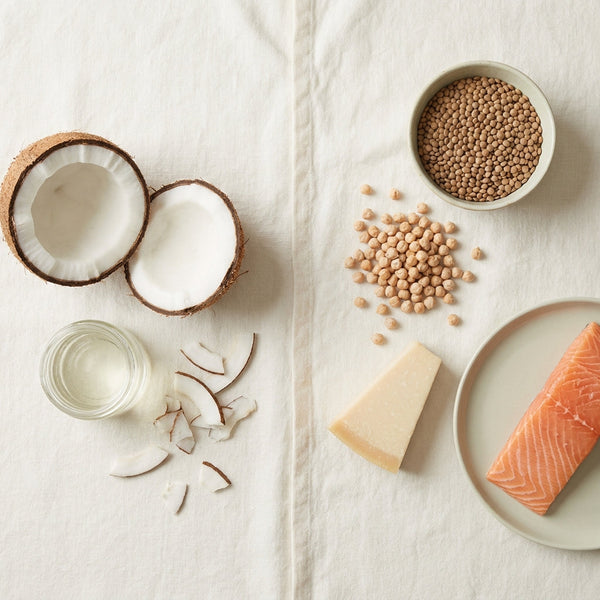
One practical way to maintain a favorable lysine-to-arginine ratio is through dietary choices. Different food categories naturally contain varying proportions of these two amino acids. ⁴
Foods with a higher lysine-to-arginine ratio (more lysine relative to arginine):
- Dairy products: Yogurt, milk, ricotta, cottage cheese, cheddar cheese
- Poultry: Chicken breast, turkey
- Fish and seafood: Cod, tuna, salmon, sardines, shrimp
- Eggs: Whole eggs, egg whites
Foods with a more balanced ratio:
- Legumes: Lentils, black beans, chickpeas
- Soy products: Tofu, tempeh, edamame
- Whole grains: Quinoa, amaranth
Foods with a higher arginine-to-lysine ratio (more arginine relative to lysine):
- Tree nuts: Almonds, walnuts, cashews, hazelnuts
- Peanuts: Peanuts, peanut butter
- Seeds: Pumpkin seeds, sunflower seeds, sesame seeds
- Chocolate: Dark chocolate, cocoa powder
- Grains: Oats, wheat, rice
Dairy products and animal proteins generally offer the most favorable lysine-to-arginine ratios, while nuts, seeds, and certain grains tend to be higher in arginine. For individuals who follow a plant-based diet, legumes and soy products can provide a reasonable balance of both amino acids.
Bonus: What Is L-Lysine Good For? Uses, Benefits, And More
Can Supplements Help Maintain a Healthy Amino Acid Balance?
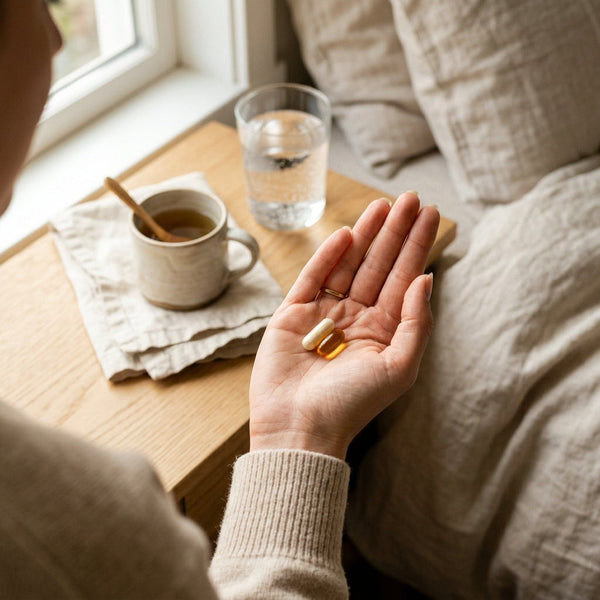
While food remains the foundation of amino acid intake, some individuals may find it challenging to consistently achieve a favorable lysine-to-arginine ratio through diet alone. This can be especially relevant for those who follow plant-based diets, have increased nutritional needs, or simply prefer a more standardized approach to their daily amino acid intake.
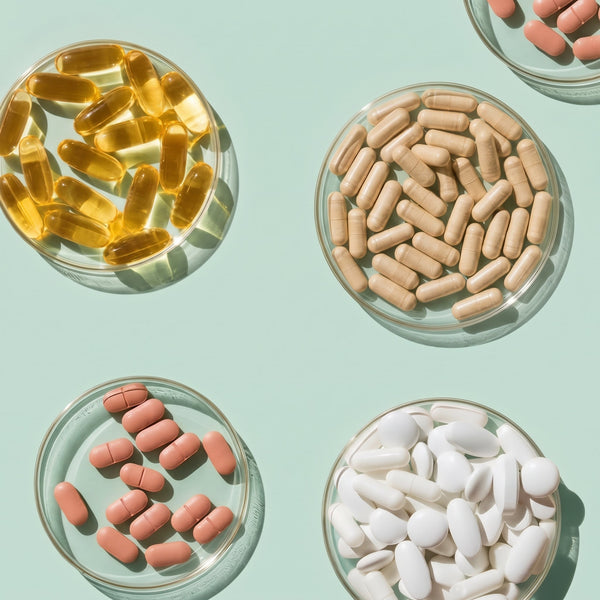
L-lysine supplements offer a concentrated and consistent source of this essential amino acid. Unlike food sources, where the lysine content varies depending on preparation, serving size, and the presence of other amino acids, supplements provide a predictable amount per serving.
When choosing an L-lysine supplement, quality indicators matter. Look for products that are third-party tested, manufactured in GMP-certified facilities, and transparent about their ingredient sourcing. A clean label - free from unnecessary fillers, artificial colors, and common allergens - is another sign of a trustworthy product.
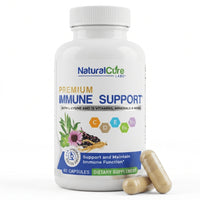
NCL (Natural Cure Labs) offers Clean L-Lysine 600mg, a vegan, non-GMO, and gluten-free supplement designed to support daily amino acid intake. ‡ For those interested in combining L-lysine with additional immune support, the L-Lysine with Monolaurin 600mg formula pairs both ingredients in a single capsule.
What Dosage of L-Lysine Have Researchers Studied?
Researchers have studied L-lysine supplementation across a range of dosages, typically between 500 mg and 3,000 mg per day. One well-known double-blind, placebo-controlled study used 1,000 mg of L-lysine three times daily (3,000 mg total per day) over a six-month period. ²
A separate review of multiple clinical studies examined dosages ranging from approximately 300 mg to 3,000 mg daily. The review noted that higher intakes were more commonly associated with observable effects, though individual responses varied. ³
L-lysine is generally considered well-tolerated at commonly studied dosages. ¹ However, as with any supplement, it is important to consult with a healthcare provider before starting a new regimen, especially for those who are pregnant, nursing, or taking medications.
The appropriate amount may vary based on individual factors such as dietary intake, body weight, and specific health goals. A healthcare professional can help determine what makes sense for your personal situation.
Keep Reading: Monolaurin And L-Lysine: Better Together
Final Thoughts
The lysine-to-arginine ratio is a straightforward concept with practical implications. Because these two amino acids compete for the same absorption pathways, the balance between them may influence how effectively L-lysine supports the body's natural immune defenses.
Dietary choices play a significant role. Foods like dairy, poultry, and fish naturally offer more lysine relative to arginine, while nuts, seeds, and chocolate lean in the other direction. Being mindful of these proportions is one of the simplest steps you can take toward maintaining a healthy amino acid balance.
For those who want a more consistent approach, L-lysine supplements can help fill the gap. As with any health decision, working with a healthcare provider is the best way to determine the right approach for your needs.
References
- Flodin, N.W. (1997). The metabolic roles, pharmacology, and toxicology of lysine. Journal of the American College of Nutrition, 16(1), 7-21. https://pubmed.ncbi.nlm.nih.gov/9013429/
- Griffith, R.S., Walsh, D.E., Myrmel, K.H., Thompson, R.W., & Behforooz, A. (1987). Success of L-lysine therapy in frequently recurrent herpes simplex infection. Dermatologica, 175(4), 183-190. https://pubmed.ncbi.nlm.nih.gov/3115841/
- Tomblin, F.A., & Lucas, K.H. (2001). Lysine for management of herpes labialis. American Journal of Health-System Pharmacy, 58(4), 298-304. https://pubmed.ncbi.nlm.nih.gov/11225166/
- U.S. Department of Agriculture. (2024). FoodData Central. https://fdc.nal.usda.gov/
- National Institutes of Health. (2024). Dietary supplements: What you need to know. Office of Dietary Supplements. https://ods.od.nih.gov/factsheets/WYNTK-Consumer/
‡ These statements have not been evaluated by the Food and Drug Administration. This product is not intended to diagnose, treat, cure, or prevent any disease.
-
NCL (Natural Cure Labs) provides dietary supplements made from naturally derived ingredients. Our research-backed products contain premium botanicals and antioxidants that encourage healthy living and holistic wellness. Each high-quality product comes with a Clean Label that certifies our commitment to quality, transparency, and research. To stay connected and learn more, follow us on Facebook, Instagram, and TikTok.