

📝 Medically reviewed by Dr. Evan Leonard
🔍 Last updated June 15, 2026
📚 9 citations
📖 7 minute read

Dr. Evan Leonard is a board-certified physician associate and medical scientist with experience in internal, emergency, and critical care medicine at University of Florida Health. He serves as an assistant professor of anatomy at Barry University and a visiting professor at Chamberlain University, has authored peer-reviewed research, and has been recognized with honors including Best PA in Medicine and America's Best in Medicine for his contributions to healthcare and medical education.
Article Summary
- Common monolaurin supplement dosages typically range from 600mg to 3,000mg per day, based on manufacturer label recommendations - formal human clinical trials establishing specific therapeutic dosages have not yet been conducted
- Monolaurin holds GRAS (Generally Recognized as Safe) status from the FDA as a food additive, indicating a favorable safety profile at typical dietary intake levels
- Most practitioners and manufacturers suggest starting with a lower dose and gradually increasing, allowing the body to adjust over time
- Individual needs vary - consulting a healthcare provider is recommended to determine the most appropriate dosage for your specific situation
Jump to:
- What Does the Research Say About Monolaurin Dosing?
- What Are the Most Common Monolaurin Dosages?
- How Should You Start Taking Monolaurin?
- How Much Monolaurin Do You Get From Natural Sources?
- Is Monolaurin Safe to Take Every Day?
- Does the Form of Monolaurin Affect Dosing?
- How Can You Choose the Right Monolaurin Dose?
- Final Thoughts
- References
Monolaurin is a naturally occurring monoglyceride derived from lauric acid, a medium-chain fatty acid found in coconut oil and human breast milk. As monolaurin supplements have grown in popularity for general wellness support, one of the most frequently asked questions is how much to take.
The answer is not as straightforward as many consumers might expect. While monolaurin has been the subject of decades of laboratory research, formal human clinical trials specifically evaluating optimal oral dosages have not yet been conducted. The dosage ranges commonly found on supplement labels are based on manufacturer recommendations and traditional use rather than clinical trial data.1
Keep reading to learn what the research does and does not tell us about monolaurin dosing, what dosage ranges are most commonly used, and how to approach supplementation thoughtfully.
See Related: Monolaurin Supplement Benefits, Dosing, and Uses
What Does the Research Say About Monolaurin Dosing?
It is important to be transparent about the current state of monolaurin research as it relates to dosing. A 2019 literature review - the most comprehensive peer-reviewed assessment of monolaurin as a dietary supplement to date - found that while in vitro (laboratory) studies have demonstrated monolaurin’s activity at specific concentrations, no randomized controlled trials have evaluated oral monolaurin supplementation in humans for immune support purposes.1 2
The in vitro research has established minimum inhibitory concentrations (MICs) for monolaurin against various microorganisms in laboratory settings. However, these concentrations are measured in micrograms per milliliter and do not directly translate to oral dosage recommendations.3 4 8
This does not mean monolaurin supplementation is without merit. Monolaurin’s GRAS status, its natural presence in the human diet through coconut oil and breast milk, and the extensive body of in vitro research all contribute to its profile as a supplement with a favorable safety background and promising - if still emerging - scientific support.1 9
What Are the Most Common Monolaurin Dosages?
While clinical trial-based dosing guidelines do not yet exist, monolaurin supplement labels and wellness practitioners commonly reference dosage ranges based on traditional use and manufacturer experience.
Commonly seen dosage ranges include:
- 600mg to 1,200mg per day - often recommended as a starting or maintenance dose
- 1,800mg to 3,000mg per day - sometimes suggested for more targeted short-term support
These ranges reflect what is commonly found on supplement labels and in wellness literature rather than evidence from clinical trials. Individual responses to supplementation can vary, which is why most manufacturers recommend starting at a lower dose.
It is always advisable to follow the dosage instructions on your specific product’s label and to consult with a healthcare provider to determine the most appropriate amount for your individual needs.
How Should You Start Taking Monolaurin?
Most monolaurin manufacturers and wellness practitioners recommend a gradual approach to supplementation. Starting with a lower dose and slowly increasing over several days or weeks allows the body to adjust and makes it easier to identify your personal tolerance level.
A commonly suggested approach:
- Week 1: Start with one capsule per day (600mg or 800mg, depending on the product)
- Week 2-3: If well tolerated, consider increasing to two capsules per day
- Ongoing: Continue at the level that feels right for your body, following label directions
Taking monolaurin with food may help with absorption and reduce the likelihood of any digestive sensitivity, though most people tolerate monolaurin well even on an empty stomach.
If you experience any digestive discomfort when starting monolaurin, consider reducing the dose and increasing more gradually. As with any new supplement, listening to your body is important.
How Much Monolaurin Do You Get From Natural Sources?
Understanding monolaurin’s natural dietary context can help put supplemental dosages in perspective. Monolaurin is not a synthetic compound - it occurs naturally in foods that humans have consumed throughout history.
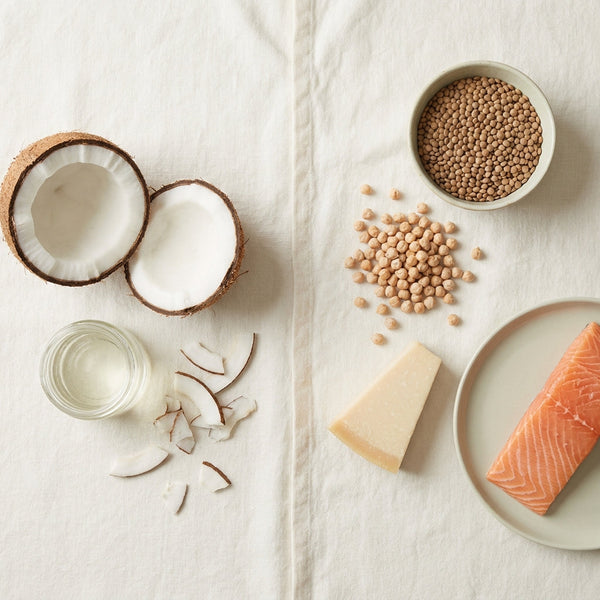
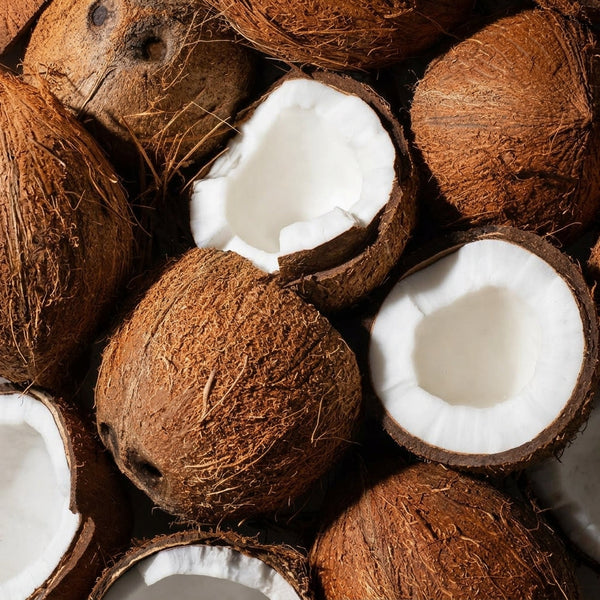
Coconut oil is the most significant dietary source of lauric acid, the precursor to monolaurin. Coconut oil contains approximately 45-53% lauric acid by weight. When consumed, a small portion of lauric acid can be converted to monolaurin through enzymatic processes in the digestive system.6 7
Human breast milk also contains naturally occurring monolaurin. Research has measured monolaurin concentrations in human milk at approximately 3,000 micrograms per milliliter - significantly higher than the levels found in bovine milk or infant formula.5
These natural sources illustrate that monolaurin is a compound the human body encounters regularly through normal dietary intake, which contributes to its favorable safety profile.
Bonus: Monolaurin Pellets vs. Capsules: Which One is Better?
Is Monolaurin Safe to Take Every Day?
Monolaurin holds Generally Recognized as Safe (GRAS) status from the FDA for use as a food emulsifier and additive. This classification indicates that monolaurin is considered safe for consumption based on a long history of common use in food.9
The 2019 literature review noted that no significant adverse effects from monolaurin supplementation were reported in the available literature. Monolaurin is derived from lauric acid, which is a naturally occurring component of coconut oil and breast milk - two dietary sources with extensive histories of safe human consumption.1
However, as with any supplement, individuals who are pregnant, nursing, taking medications, or managing existing health conditions should consult a healthcare provider before adding monolaurin to their daily routine.
Does the Form of Monolaurin Affect Dosing?
Monolaurin supplements are available in two primary forms - capsules and pellets - and the form can influence how dosing is measured and adjusted.
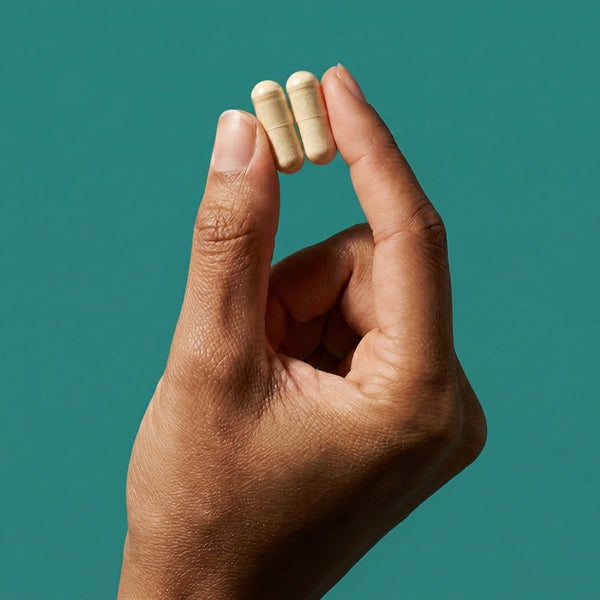
Capsules provide pre-measured doses (commonly 600mg or 800mg per capsule), making it easy to track exactly how much you are taking. Capsules are convenient for daily use and allow for precise incremental dose adjustments by simply adding or removing one capsule.
Pellets are typically dosed with a measuring scoop, with servings commonly ranging from 1,000mg to 3,000mg. While pellets offer high dosing, some users report the pellets may not be fully digested when consumed, leaving the user uncertain of how much product was actually absorbed.
The form you choose does not change the monolaurin itself - both capsules and pellets deliver the same active compound. The primary differences are convenience, portability, and dosing precision.
How Can You Choose the Right Monolaurin Dose?
Since formal clinical dosing guidelines have not been established, choosing the right monolaurin dose is largely a matter of individual assessment. Here are some practical considerations.
If you are new to monolaurin: Starting with a 600mg capsule once per day from NCL (Natural Cure Labs) provides a moderate starting point. The clean label formulation - vegan, non-GMO, and free from magnesium stearate - makes it a straightforward option for those beginning supplementation.
If you want a higher dose per capsule: The Extra Strength Monolaurin 800mg provides more monolaurin per capsule, which can be more convenient for individuals who prefer fewer capsules to reach their desired daily intake.
Regardless of which product you choose: Always follow the label directions, start gradually, and consult a healthcare provider if you have questions about the most appropriate dosage for your individual situation.
Final Thoughts
Monolaurin dosing remains an area where the science is still catching up to consumer interest. While decades of in vitro research have explored monolaurin’s properties at specific concentrations, formal human clinical trials establishing optimal oral dosages have not yet been conducted.1
What we do know is that monolaurin is a naturally occurring compound with GRAS status, a long history of safe dietary consumption, and a growing body of laboratory research supporting continued scientific interest. The dosage ranges commonly found on supplement labels - typically 600mg to 3,000mg per day - reflect manufacturer recommendations based on traditional use.
The most practical approach is to start with a lower dose, increase gradually, follow your product’s label directions, and consult a healthcare provider for personalized guidance. As research continues to evolve, our understanding of optimal monolaurin dosing will continue to develop.
Keep Reading: Monolaurin 600mg vs. Extra Strength Monolaurin 800mg: Which One Is Right for You?
References:
- Barker, L. A., Bakkum, B. W., & Chapman, C. (2019). The clinical use of monolaurin as a dietary supplement: A review of the literature. Journal of Chiropractic Medicine, 18(4), 305-310. https://doi.org/10.1016/j.jcm.2019.02.004
- Kabara, J. J., Swieczkowski, D. M., Conley, A. J., & Truant, J. P. (1972). Fatty acids and derivatives as antimicrobial agents. Antimicrobial Agents and Chemotherapy, 2(1), 23-28. https://doi.org/10.1128/AAC.2.1.23
- Preuss, H. G., Echard, B., Enig, M., Brook, I., & Elliott, T. B. (2005). Minimum inhibitory concentrations of herbal essential oils and monolaurin for gram-positive and gram-negative bacteria. Molecular and Cellular Biochemistry, 272(1-2), 29-34. https://doi.org/10.1007/s11010-005-6604-1
- Schlievert, P. M., & Peterson, M. L. (2012). Glycerol monolaurate antibacterial activity in broth and biofilm cultures. PLoS One, 7(7), e40350. https://doi.org/10.1371/journal.pone.0040350
- Schlievert, P. M., Kilgore, S. H., Seo, K. S., & Leung, D. Y. M. (2019). Glycerol monolaurate contributes to the antimicrobial and inflammation-supporting activity of human milk. Scientific Reports, 9(1), 14550. https://doi.org/10.1038/s41598-019-51130-y
- Dayrit, F. M. (2015). The properties of lauric acid and their significance in coconut oil. Journal of the American Oil Chemists’ Society, 92, 1-15. https://doi.org/10.1007/s11746-014-2562-7
- Nitbani, F. O., Tjitda, P. J. P., Nitti, F., Jumina, J., & Detha, A. I. R. (2022). Antimicrobial properties of lauric acid and monolaurin in virgin coconut oil: A review. ChemBioEng Reviews, 9(5), 442-461. https://doi.org/10.1002/cben.202100050
- Carpo, B. G., Verallo-Rowell, V. M., & Kabara, J. (2007). Novel antibacterial activity of monolaurin compared with conventional antibiotics against organisms from skin infections: An in vitro study. Journal of Drugs in Dermatology, 6(10), 991-998. https://pubmed.ncbi.nlm.nih.gov/17966176/
- U.S. Food and Drug Administration. Direct food substances affirmed as generally recognized as safe: Mono- and diglycerides of edible fats and oils. 21 CFR 184.1505. https://www.ecfr.gov/current/title-21/chapter-I/subchapter-B/part-184/subpart-B/section-184.1505
‡ These statements have not been evaluated by the Food and Drug Administration. This product is not intended to diagnose, treat, cure, or prevent any disease.
-
NCL (Natural Cure Labs) provides dietary supplements made from naturally derived ingredients. Our research-backed products contain premium botanicals and antioxidants that encourage healthy living and holistic wellness. Each high-quality product comes with a Clean Label that certifies our commitment to quality, transparency, and research. To stay connected and learn more, follow us on Facebook, Instagram, and TikTok.