

📝 Medically reviewed by Dr. Patricia Shelton
🔍 Last updated Oct 2, 2026
📚 6 citations
📖 9 minute read
Article Summary
- Lauricidin is not the only option: Several monolaurin supplement brands offer comparable or potentially better formulations, with differences in form factor, dosage precision, ingredient transparency, and third-party testing.
- Capsules vs. pellets: Lauricidin uses a pellet (mini-pellet) format, while many alternatives offer capsules that provide more precise and consistent dosing per serving.
- Third-party testing varies widely: Not all monolaurin brands publish Certificates of Analysis (COAs) or test through independent laboratories, a key differentiator when evaluating quality.
- Price per serving matters: Comparing cost on a per-serving basis rather than per-bottle reveals meaningful differences in value across brands.
- Clean-label formulations: Some alternatives offer vegan, non-GMO, gluten-free capsules with no fillers or artificial additives, while others include additional ingredients.
Jump to:
- What Is Lauricidin and Why Do People Use It?
- Why Are People Looking for Alternatives to Lauricidin?
- What Are the Best Monolaurin Alternatives to Lauricidin?
- Are Monolaurin Capsules Better Than Pellets?
- How Important Is Third-Party Testing When Choosing a Monolaurin Supplement?
- How Should You Choose the Right Monolaurin Supplement?
Lauricidin has been one of the most recognized monolaurin supplement brands for roughly four decades. Developed by Dr. Jon J. Kabara, who pioneered much of the early research on monolaurin and medium-chain fatty acids, Lauricidin introduced many consumers to the potential benefits of monolaurin supplementation.¹
However, the supplement market has evolved significantly since Lauricidin first helped popularize monolaurin. Newer brands have entered the space with different formulations, delivery formats, testing standards, and pricing structures. Whether you are exploring monolaurin for the first time or are considering switching from Lauricidin, understanding how today's alternatives compare can help you make a more informed decision.
Keep reading to learn how the leading monolaurin supplements stack up against Lauricidin in terms of form factor, dosing precision, ingredient transparency, third-party testing, and overall value.
What Is Lauricidin and Why Do People Use It?
Lauricidin is a brand-name monolaurin supplement manufactured by Med-Chem Laboratories. It is sold primarily in a mini-pellet format and contains glycerol monolaurate (monolaurin) derived from coconut oil. The brand was founded on the research of Dr. Jon J. Kabara, who studied the properties of medium-chain fatty acids and their derivatives beginning in the 1960s.¹
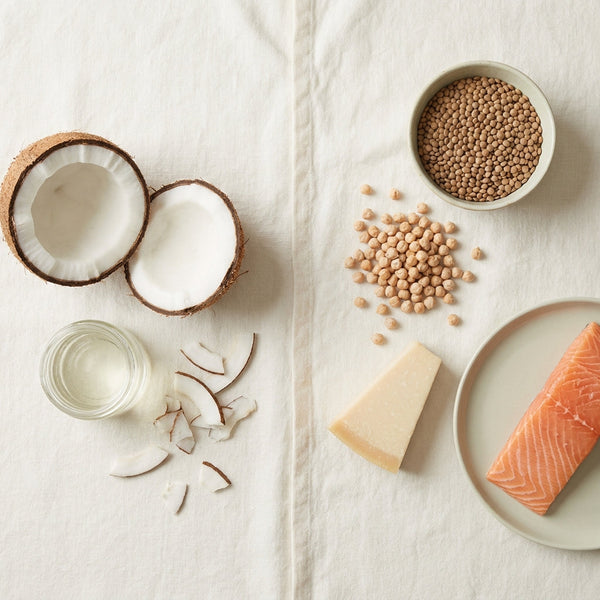
Monolaurin itself is a monoglyceride, a type of fat molecule formed from lauric acid, the primary fatty acid in coconut oil (roughly 45-53%), which is also found in human breast milk.² Research suggests that monolaurin may help to support immune function.³ ‡ The U.S. Food and Drug Administration classifies glycerol monolaurate (as a monoglyceride) as Generally Recognized As Safe (GRAS) for use as a food ingredient.⁴
Lauricidin helped popularize monolaurin as a standalone supplement, and many consumers became familiar with monolaurin through this brand. However, Lauricidin's pellet format, pricing, and apparent lack of publicly available third-party test results have led some consumers to explore other options.
See Related: Monolaurin: What It Is and Where Does It Come From?
Why Are People Looking for Alternatives to Lauricidin?
While Lauricidin remains a well-known brand, several factors have prompted consumers to explore alternatives:
- Form factor preferences: Lauricidin's mini-pellet format requires scooping from a jar, which some users find less convenient and less precise than pre-measured capsules. The pellets also have a distinct taste and texture that not all consumers prefer.
- Dosing precision: Pellets require estimating serving sizes with a scoop, which can lead to inconsistent daily intake. Some customers also report that pellets may pass through the digestive tract undissolved, leading to uncertain absorption rates. Capsules provide a fixed dose per unit, making it easier to track and adjust supplementation.
- Transparency considerations: Some consumers have noted that, as of this writing, Lauricidin does not prominently publish independent third-party Certificates of Analysis (COAs) for its products, which has become an increasingly important factor for supplement buyers.
- Ingredient simplicity: Consumers increasingly prioritize clean-label supplements with minimal additional ingredients. Comparing supplement facts panels across brands can reveal differences in filler content and capsule materials.

Keep Reading: Why Lab Testing Matters for Dietary Supplements
What Are the Best Monolaurin Alternatives to Lauricidin?
Several monolaurin supplements have established themselves as credible alternatives to Lauricidin. Here is how the leading options compare. (Competitor details below reflect publicly available product information as of this writing and may change - verify using current labels before purchase.)
1. NCL (Natural Cure Labs) - Premium Monolaurin 600mg and Extra Strength Monolaurin 800mg
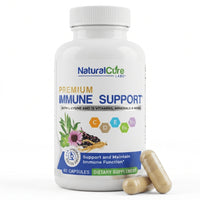
NCL (Natural Cure Labs) offers monolaurin in two capsule strengths (600mg and 800mg per capsule), providing flexible dosing options. Both strengths are manufactured in a GMP-certified, FDA-registered facility that follows the FDA's current Good Manufacturing Practice (CGMP) requirements for dietary supplements⁶ and use a clean-label formula that is vegan, non-GMO, and gluten-free with no artificial fillers or unnecessary additives.
A key differentiator is transparency: NCL (Natural Cure Labs) publishes Certificates of Analysis (COAs) for every product lot, verifying identity, potency, and purity through independent laboratory testing. Each bottle includes a traceable lot number linked to specific manufacturing and testing records.
- Form: Capsules (600mg or 800mg per capsule)
- Third-party tested: Yes - COAs published for every lot
- Clean label: Vegan, non-GMO, gluten-free, no artificial fillers
- GMP certified: Yes
- Price: Starting at $27.95 (600mg) / $32.95 (800mg)

Natural Cure Labs also offers an L-Lysine with Monolaurin combination formula for those seeking a complementary option. ‡
2. Ecological Formulas - Monolaurin 300mg and Monolaurin 600mg
Ecological Formulas (a division of Cardiovascular Research Ltd.) offers monolaurin capsules at 300mg and 600mg per capsule. It is one of the longer-standing capsule-format monolaurin products on the market.
- Form: Capsules (300mg and 600mg per capsule)
- Servings per bottle: 90 capsules
- Third-party tested: Not prominently published
- Clean label: Contains additional ingredients including gelatin (capsule), magnesium stearate, Inosine, and microcrystalline cellulose
- GMP certified: Information not prominently disclosed
- Price: Approximately $19 (300mg) / $30 (600mg) per 90-capsule bottle at major retailers
3. Inspired Nutrition - UltraLaurin Monolaurin Pellets
Inspired Nutrition offers monolaurin in a pellet format (UltraLaurin) similar to Lauricidin. This may appeal to consumers who prefer the pellet delivery method but are looking for a different brand or price point.
- Form: Pellets (scoop-based dosing, 3,000mg per serving)
- Servings per container: Approximately 66 (7oz) to 200 (21oz) depending on container size
- Third-party tested: Brand states third-party testing; COAs not prominently published
- Clean label: Pellets containing monolaurin along with additional monoglycerides (monocaprin, monomyristin); non-GMO and vegan
- GMP certified: Information not prominently available
- Price: Starting at $34.95 (7 oz) / $79.00 (21 oz)
4. Nutricology - Humic-Monolaurin Complex
Nutricology (a brand of Allergy Research Group) offers a Humic-Monolaurin Complex - a multi-ingredient formula rather than a standalone monolaurin product. The brand is known for its focus on hypoallergenic formulations.
- Form: Vegetarian capsules (500mg monolaurin per 2-capsule serving, alongside olive leaf extract, humic acid, and a probiotic lysate)
- Servings per bottle: 30 or 60 depending on size
- Third-party tested: Not prominently published
- Clean label: Contains hydroxypropyl methylcellulose, microcrystalline cellulose, L-leucine, and silicon dioxide; carries a California Prop 65 lead warning
- GMP certified: Information not prominently disclosed
- Price: Approximately $57.79 (120 capsules / 60 servings)
5. Lauricidin (for reference)
For comparison, here are Lauricidin's specifications:
- Form: Mini-pellets (scoop-based dosing, approximately 3,000mg per scoop)
- Servings per jar: Approximately 75 servings (8 oz / 227g jar)
- Third-party tested: Not prominently published
- Clean label: Single-ingredient (glycerol monolaurate)
- GMP certified: Information not prominently disclosed
- Price: Approximately $38.95 (8 oz jar) at most retailers
See Related: Monolaurin Supplement Benefits, Dosing, and Uses
Are Monolaurin Capsules Better Than Pellets?
The choice between capsules and pellets often comes down to personal preference and priorities. However, each format has distinct advantages and limitations worth considering:
Capsule advantages:
- Precise dosing: Each capsule contains a fixed amount of monolaurin (e.g., 600mg or 800mg), eliminating guesswork.
- Convenience: Capsules are easy to take on the go, require no scooping, and have no taste or texture to contend with.
- Predictable release: Capsule shells are designed to dissolve in the digestive tract, releasing a pre-measured dose each time.
- No taste: Capsules bypass the taste buds entirely, so they have virtually no taste, which is preferred by many consumers.
Pellet advantages:
- Flexible dosing: Users can adjust their intake in smaller increments by varying scoop sizes.
- No capsule materials: Some consumers prefer to avoid capsule shells, even plant-based ones.
- Great Value: Pellets offer high doses of up to 3 grams per dose, making them a cost-efficient way to get monolaurin.
For some consumers, capsules offer a more practical and consistent supplementation experience. The ability to know exactly how much monolaurin you are taking with each serving supports more informed and reliable daily use.

Bonus: How Much Monolaurin Should I Take Daily?
How Important Is Third-Party Testing When Choosing a Monolaurin Supplement?
Third-party testing has become one of the most important factors in supplement selection. Because manufacturing quality can vary between producers, independent verification provides confidence that a product matches its label.⁵
When evaluating monolaurin supplements, third-party testing provides verification in three critical areas:
- Identity: Confirming that the product actually contains monolaurin (glycerol monolaurate) rather than a substitute or degraded ingredient.
- Potency: Verifying that the amount of monolaurin per serving matches what is stated on the label.
- Purity: Ensuring the product is free from contaminants such as heavy metals, microbial organisms, and unwanted residues.
Brands that publish Certificates of Analysis (COAs) for each production lot provide consumers with verifiable proof of quality.⁵ This level of transparency is especially important in a category where the active ingredient (monolaurin) is derived from coconut oil or palm kernel oil through a manufacturing process that can vary significantly between producers.
NCL (Natural Cure Labs) publishes COAs for every product lot and maintains full lot number traceability, allowing consumers to verify the specific test results associated with their bottle. This practice sets a transparency standard that many competing brands have not yet matched.
Keep Reading: How to Spot Counterfeit Supplements: A Lab-Verified Case Study
How Should You Choose the Right Monolaurin Supplement?
With multiple monolaurin options now available, narrowing down the best choice depends on your individual priorities. Consider the following factors:
- Dosage needs: If you prefer a higher per-capsule dose, an 800mg option may reduce the number of capsules needed daily. If you prefer pellets, a scoop can get you up to 3,000mg.
- Form factor preference: If convenience and precise dosing matter most, capsules are generally the better choice. If you prefer flexible, scoop-based dosing, pellets may suit you.
- Testing and transparency: Prioritize brands that publish COAs and use GMP-certified facilities. This is especially important for supplements where quality can vary between manufacturers.⁵
- Ingredient quality: Look for clean-label formulations with minimal fillers. Vegan capsules, non-GMO sourcing, and gluten-free certification are additional quality indicators.
- Value per serving: Compare the cost per serving rather than per bottle. A lower-priced bottle with fewer servings may actually cost more per dose than a seemingly more expensive option.
- Complementary formulas: If you are interested in pairing monolaurin with other ingredients such as L-lysine, look for brands that offer combination products. ‡
Keep Reading: What It Means To Be GMP-Certified & Why It's Important
Final Thoughts
Lauricidin played an important role in bringing monolaurin supplementation to a wider audience, and it remains a recognizable name in the space. However, the monolaurin market has matured significantly, and consumers now have access to alternatives that offer advantages in dosing precision, ingredient transparency, third-party testing, and overall value.
When evaluating alternatives, important factors to consider are third-party testing verification, manufacturing standards (GMP certification), ingredient transparency, and cost per serving. These objective criteria can help cut through marketing claims and identify products that genuinely deliver on their promises.
Regardless of which brand you choose, monolaurin remains a research-backed supplement that may help support immune function and overall wellness. ‡ As with any supplement, it is recommended that you consult a healthcare provider before starting, particularly if you have existing health conditions or are taking any prescription medications.
References
- Kabara, J. J. (1984). Antimicrobial agents derived from fatty acids. Journal of the American Oil Chemists' Society, 61(2), 397-403. https://doi.org/10.1007/BF02678802
- Dayrit, F. M. (2015). The properties of lauric acid and their significance in coconut oil. Journal of the American Oil Chemists' Society, 92(1), 1-15. https://doi.org/10.1007/s11746-014-2562-7
- Lieberman, S., Enig, M. G., & Preuss, H. G. (2006). A review of monolaurin and lauric acid: Natural virucidal and bactericidal agents. Alternative and Complementary Therapies, 12(6), 310-314. https://doi.org/10.1089/act.2006.12.310
- U.S. Food and Drug Administration. Direct Food Substances Affirmed as Generally Recognized as Safe: Mono- and diglycerides (21 CFR 184.1505). https://www.ecfr.gov/current/title-21/chapter-I/subchapter-B/part-184/subpart-B/section-184.1505
- United States Pharmacopeia. (2023). Dietary Supplement Verification Program. https://www.usp.org/verification-services
- U.S. Food and Drug Administration. Current Good Manufacturing Practice (CGMP) Regulations for Dietary Supplements (21 CFR Part 111). https://www.ecfr.gov/current/title-21/chapter-I/subchapter-B/part-111
‡ These statements have not been evaluated by the Food and Drug Administration. This product is not intended to diagnose, treat, cure, or prevent any disease.