

📝 Medically reviewed by Dr. Evan Leonard
🔍 Last updated August 6, 2026
📚 5 citations
📖 8 minute read

Dr. Evan Leonard is a board-certified physician associate and medical scientist with experience in internal, emergency, and critical care medicine at University of Florida Health. He serves as an assistant professor of anatomy at Barry University and a visiting professor at Chamberlain University, has authored peer-reviewed research, and has been recognized with honors including Best PA in Medicine and America's Best in Medicine for his contributions to healthcare and medical education.
-
Article Summary
- Two well-researched ingredients: L-lysine is an essential amino acid involved in protein synthesis and overall wellness, while monolaurin is a naturally occurring compound derived from lauric acid with over five decades of laboratory research.
- Different mechanisms, complementary pathways: L-lysine contributes to the body's amino acid balance, while monolaurin has been studied for its interaction with lipid membranes - two distinct biological routes. ‡
- Quality varies across brands: Not every combination supplement is backed by third-party lab testing, GMP certification, or transparent Certificates of Analysis - key markers that separate trustworthy products from the rest.
- Dosage research exists for both: L-lysine supplementation has been examined across a range of daily amounts, while monolaurin research has primarily been conducted in laboratory settings.
- Transparency matters: Look for brands that publish COAs, disclose sourcing, and manufacture in GMP-certified facilities.
-
Jump to:
- What Does Research Say About L-Lysine?
- What Is Monolaurin and How Has It Been Studied?
- Why Are These Two Ingredients Often Paired Together?
- What Should You Look for in a Lysine-Monolaurin Supplement?
- How Much L-Lysine and Monolaurin Do Researchers Typically Study?
If you have been exploring immune support supplements, you may have noticed that some products pair L-lysine with monolaurin in a single formula. This combination has become increasingly popular, but understanding why these two ingredients are brought together requires looking at each one individually first.
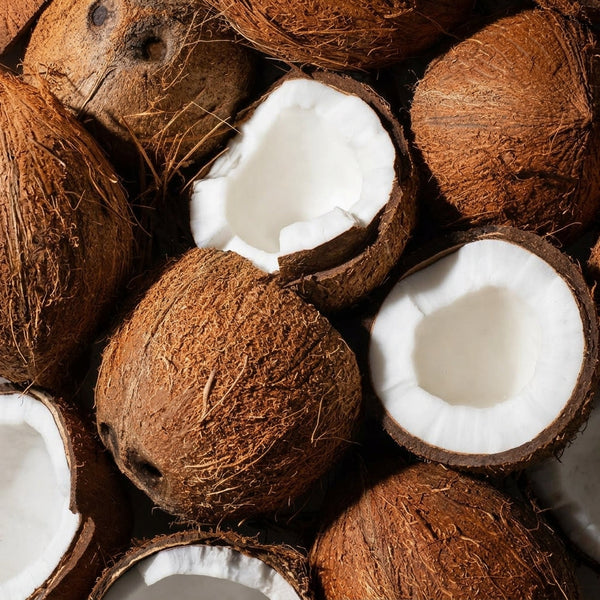
L-lysine is an essential amino acid with a well-documented role in protein synthesis, collagen production, and overall wellness. Monolaurin is a compound derived from lauric acid - a medium-chain fatty acid found naturally in coconut oil and breast milk. Each has its own body of research, and the rationale for combining them comes down to how their mechanisms may complement one another.
Keep reading to learn what the research says about each ingredient, why they are often paired together, and what to look for when choosing a quality supplement.
What Does Research Say About L-Lysine?
L-lysine is one of nine essential amino acids that the body cannot produce on its own. It must be obtained through food sources such as meat, fish, dairy, and legumes, or through supplementation. Beyond its well-known roles in collagen synthesis and calcium absorption, L-lysine has been studied for its broader contributions to the body's normal metabolic and structural functions. 1
One area of interest is the relationship between L-lysine and L-arginine, another amino acid. These two amino acids share the same cellular transport pathways, meaning they compete for absorption - which is why some people consider the balance between the two when planning their amino acid intake.
Because L-lysine plays an essential role in protein synthesis, adequate intake helps support the body's normal structural and metabolic processes. While research continues, the general framework suggests that maintaining a healthy amino acid balance is one part of supporting overall wellness. 1
It is important to note that L-lysine is not a standalone solution. It works best as part of a broader approach to wellness that includes balanced nutrition, adequate sleep, and regular physical activity.
See Related: What Is L-Lysine Good For? Uses, Benefits, And More
What Is Monolaurin and How Has It Been Studied?
Monolaurin is a monoglyceride - a compound formed when lauric acid (a 12-carbon medium-chain fatty acid) bonds with glycerol. It occurs naturally in coconut oil and, notably, in human breast milk, where it is believed to play a supportive role in early immune development. ‡ 2
The scientific study of monolaurin dates back over five decades. Dr. Jon Kabara, a lipid biochemist, conducted pioneering research in the early 1970s examining how various fatty acids and their derivatives interact with microorganisms. His laboratory work identified lauric acid and its monoglyceride form, monolaurin, as particularly noteworthy among the compounds studied. 3
Since then, additional laboratory research has expanded on these findings. A 2012 study published in PLoS One examined monolaurin's properties in both standard laboratory cultures and biofilm environments, finding that the compound interacted with lipid membranes in ways that distinguished it from lauric acid alone. 4
Monolaurin falls under the mono- and diglycerides category that the U.S. Food and Drug Administration recognizes as Generally Recognized as Safe (GRAS) for use as a food ingredient, which speaks to the established safety profile of these compounds. 5 This designation means that qualified experts recognize substances in this category as safe under their intended conditions of use.
Why Are These Two Ingredients Often Paired Together?
The rationale for combining L-lysine and monolaurin comes down to their distinct and complementary pathways. L-lysine contributes to the body's amino acid balance and protein synthesis, while monolaurin has been studied for its properties related to lipid membrane interaction and immune support. ‡ These are fundamentally different mechanisms, which is why some researchers and formulators view them as complementary rather than redundant.
Think of it this way - each ingredient has its own body of research. L-lysine is a foundational amino acid involved in protein synthesis and amino acid balance, while monolaurin's research has focused on its structural interaction with lipid membranes at the cellular level. ‡
However, it is worth being discerning about the supplement market. Not every brand that combines these ingredients does so with the same commitment to quality. Some combination products lack third-party testing, use lower-grade ingredients, or do not disclose their sourcing or manufacturing standards. The presence of two well-researched ingredients on a label does not automatically mean the product inside the bottle meets the standard that the research was conducted with.
Transparency matters. A trustworthy combination supplement should be backed by third-party lab testing (with accessible Certificates of Analysis), manufactured in a GMP-certified facility, and clear about what is - and is not - in each capsule.
Bonus: Monolaurin: What It Is and Where Does It Come From?
What Should You Look for in a Lysine-Monolaurin Supplement?
Choosing a combination supplement requires looking beyond the front of the label. Here are the quality markers that matter most:
- Third-party lab testing: Independent testing verifies that what is on the label matches what is in the bottle. Brands that publish their Certificates of Analysis (COAs) demonstrate a level of transparency that sets them apart.
- GMP certification: Good Manufacturing Practice certification ensures that the product was made in a facility that follows strict quality control protocols.
- Clean label: Look for supplements free from unnecessary fillers, artificial colors, titanium dioxide, and common allergens. Fewer inactive ingredients generally signals higher formulation standards.
- Clear dosage information: The label should specify exactly how much L-lysine and monolaurin each serving provides, so you can compare with the dosages that researchers have studied.
- Customer reviews: Real customer feedback can provide insight into a product's quality and the company's customer service standards.

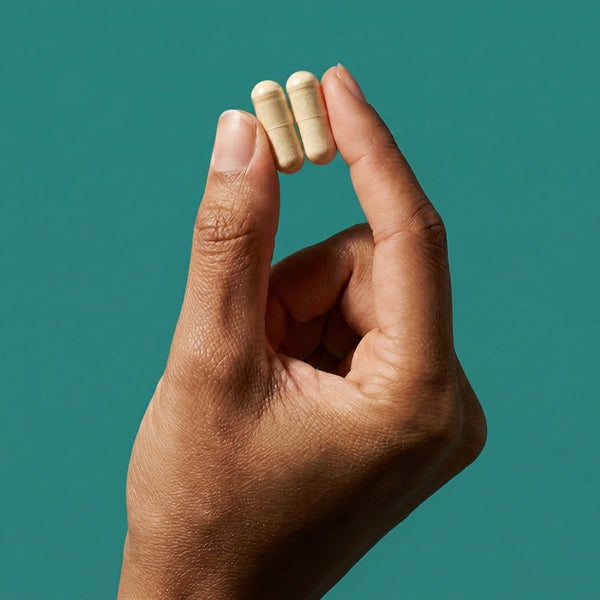
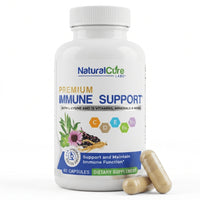
NCL (Natural Cure Labs)' L-Lysine with Monolaurin 600mg combines both ingredients in a single, vegan, non-GMO, gluten-free capsule. Every batch is third-party tested and manufactured in a GMP-certified facility, with Certificates of Analysis available for review. With over 7,000 customer reviews across the full product line, the brand has built its reputation on transparency and quality. You can learn more about the company's testing standards on the Quality & Safety page.
How Much L-Lysine and Monolaurin Do Researchers Typically Study?
Research on L-lysine supplementation has examined a range of daily dosages, commonly cited between roughly 500 mg and 3,000 mg per day, with the appropriate amount varying based on individual needs. 1
Monolaurin research has primarily occurred in laboratory settings, where concentrations and applications differ from oral supplementation. The available studies have used varying amounts, and more human clinical research would strengthen the evidence base. Dr. Jon Kabara's foundational work established monolaurin's properties at specific laboratory concentrations, and subsequent studies have continued to build on that framework. 3 4
Because individual needs vary based on factors like diet, body weight, and overall health status, there is no single universally recommended dosage for either ingredient. Consulting with a healthcare provider is the best way to determine what amount makes sense for your specific situation.
Keep Reading: Why Lab Testing Matters for Dietary Supplements
Final Thoughts
The combination of L-lysine and monolaurin in a single supplement is grounded in the idea that two well-researched ingredients, working through different pathways, may offer broader support than either one alone. L-lysine contributes to protein synthesis and a healthy amino acid balance, while monolaurin has decades of laboratory research exploring its unique interaction with lipid membranes and its studied role in supporting immune function. ‡
However, the quality of a combination supplement matters just as much as the ingredients it contains. Third-party lab testing, GMP certification, transparent sourcing, and clean-label formulation are the markers that separate products backed by genuine quality standards from those that simply list popular ingredients on a label.
As with any supplement, the best results come when it is part of a broader wellness approach that includes a balanced diet, regular movement, and adequate rest. A healthcare provider can help you determine whether a lysine-monolaurin supplement is appropriate for your individual needs.
References
- Flodin, N. W. (1997). The metabolic roles, pharmacology, and toxicology of lysine. Journal of the American College of Nutrition, 16(1), 7-21. https://pubmed.ncbi.nlm.nih.gov/9013429/
- Lieberman, S., Enig, M. G., & Preuss, H. G. (2006). A review of monolaurin and lauric acid. Alternative & Complementary Therapies, 12(6), 310-314. https://doi.org/10.1089/act.2006.12.310
- Kabara, J. J., Swieczkowski, D. M., Conley, A. J., & Truant, J. P. (1972). Fatty acids and derivatives as antimicrobial agents. Antimicrobial Agents and Chemotherapy, 2(1), 23-28. https://pubmed.ncbi.nlm.nih.gov/4670656/
- Schlievert, P. M., & Peterson, M. L. (2012). Glycerol monolaurate antibacterial activity in broth and biofilm cultures. PLoS One, 7(7), e40350. https://doi.org/10.1371/journal.pone.0040350
- U.S. Food and Drug Administration. Substances Generally Recognized as Safe: Mono- and diglycerides (21 CFR 184.1505). https://www.ecfr.gov/current/title-21/chapter-I/subchapter-B/part-184/subpart-B/section-184.1505
‡ These statements have not been evaluated by the Food and Drug Administration. This product is not intended to diagnose, treat, cure, or prevent any disease.